

Will Cooke
8 September 2017
Ubuntu Desktop Weekly Update: September 8, 2017
GNOME
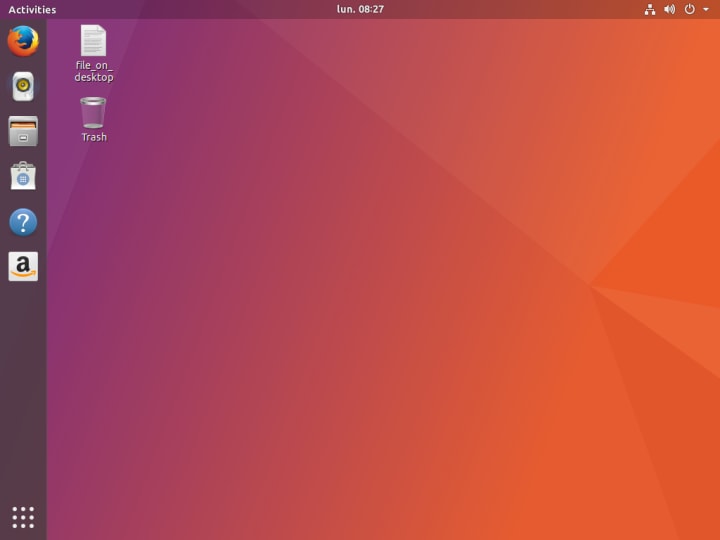
GNOME Shell 3.25.91 is now in Artful in preparation for the move to 3.26 before release.
We’re adding notification badge support to the Dock extension. This branch has been proposed to the upstream project and is awaiting review.
We’ve packaged the KStatusNotifier extension to provide support for indicators. This will provide support for apps which use libappindicators which was removed from GNOME 3.26. You can read more about this here.
Didier has also been tidying up the work we did at the Fit and Finish hackfest and you can see more about that here.
We’ve updated the test plan for the Ubuntu Session to ensure we catch regressions and bugs in the default session for new installs and upgrades. You can read the test plan here.
People with non-hybrid NVIDIA graphics cards can not normally use the Wayland session unless they are adventurous and enable KMS. If that is done, however, X11 sessions then break. This week we have incorporated a change into GDM (also proposed upstream) to hide the X11 sessions in this scenario so that we make the system a bit more usable even for people who like to tweak. More information on the bug.
Ubiquity (the Ubuntu installer) now shows the correct theme in ‘install only’ mode, as well as in the live session. Previously it was using GNOME’s default theme “Adwaita”.
Video, Audio, Bluetooth, Networking
We’ve spent time on a deep dive into the performance issues of video playback in Totem. Daniel has tracked down an issue and is working on a fix to reduce CPU usage by approximately 50%.
Out-of-the-box installation of accelerated video drivers (on Intel) is close to completion, pending a bit more checking and packaging updates.
Captive portal detection is now in the Ubuntu default install.
Mobile broadband provider info has been updated from Debian and is now in sync with Debian Sid. Thanks Bhavani. You can see the changes here.
Snaps
Initial support for authenticating using PolicyKit has landed in snapd master. It is now possible to log in to snapd using your username/password on the machine instead of having to have an Ubuntu One account. Further changes are awaiting review to allow you to actually install and remove snaps in this way too.
gnome-system-monitor was uploaded to the snap store.
Libreoffice 5.4.1 is available for testing in the edge channel (but doesn’t work under wayland yet)
Printing
We landed PCLm print output support. With this all known driverless printing standards are supported, making most modern printers work under Linux.
In The News
Phoronix covers the new dock and the theme improvements.
OMG also talks about the improved theme work and the new login screen.
Linux Action News talk about the upcoming Ubuntu Rally.


